Hand-painted replicas that teach people to know their wildlife.
Accurate, durable replicas of Northwest Arkansas lizards and snakes, made for classrooms, nature centers, museums and Future Farmer’s of America knowledge testing.
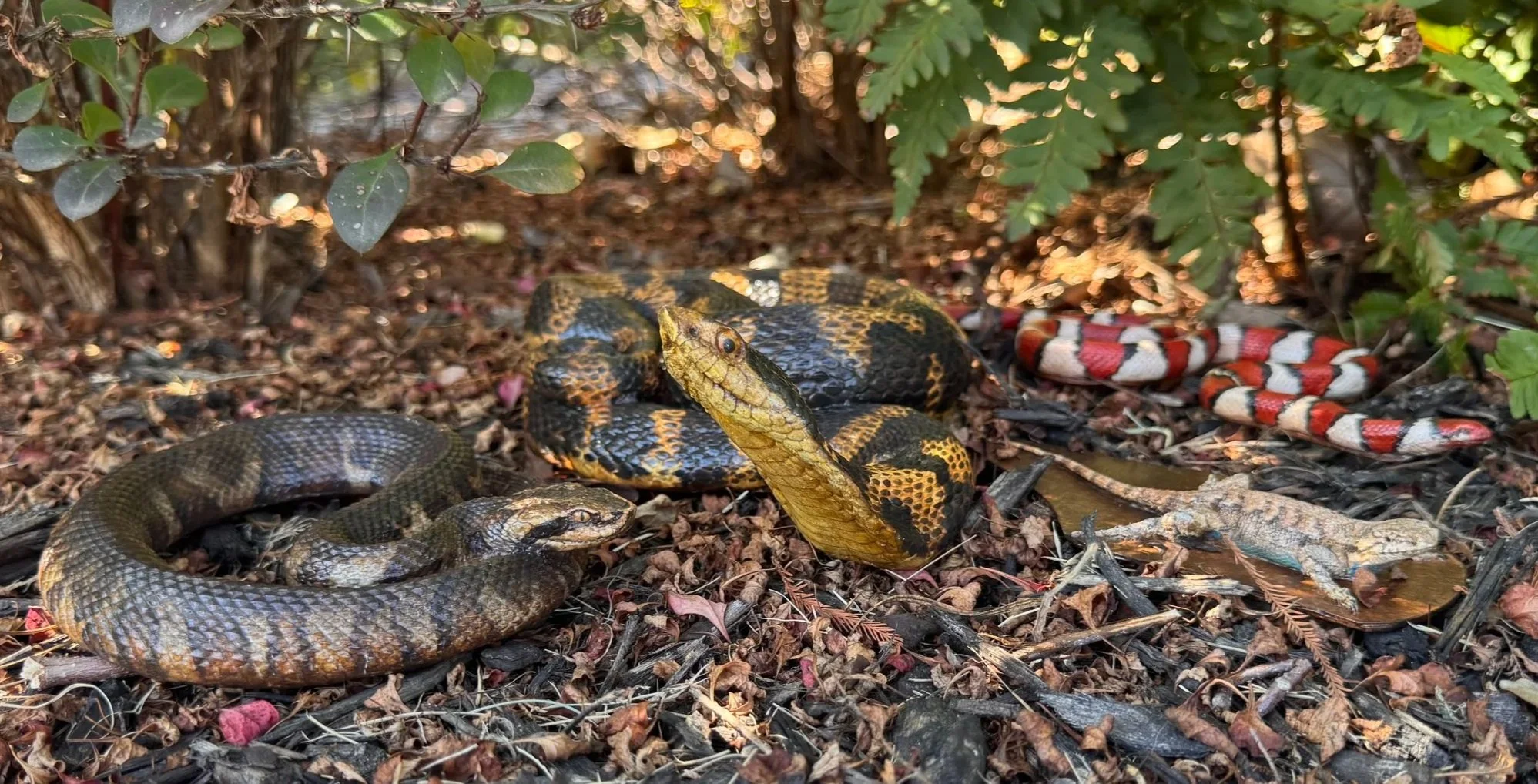
Seeing an animal up close is the best way to learn it, and many people in Northwest Arkansas never get the chance. These replicas let students and visitors study the colors, patterns and scale details of native lizards and snakes, up close and at their own pace, without handling live animals.
Each one is painted by hand by a scenic artist trained in realistic detail, so what people learn from the replica matches what they’ll recognize in the field.
Safe, hands-on learning.
Students can study every detail without risk to people or animals.
Why Replicas?
Accurate and consistent.
Colors, patterns and proportions stay the same every time, so everyone learns from the same reference.
Durable.
Built to be handled by classrooms, camps and visitors. Each replica has a UV resistant clear coat applied to prevent fading.
Easy to use anywhere.
No feeding, housing or permits, and they’re ready for classrooms, displays and outreach tables.
Species Native to Northwest Arkansas:
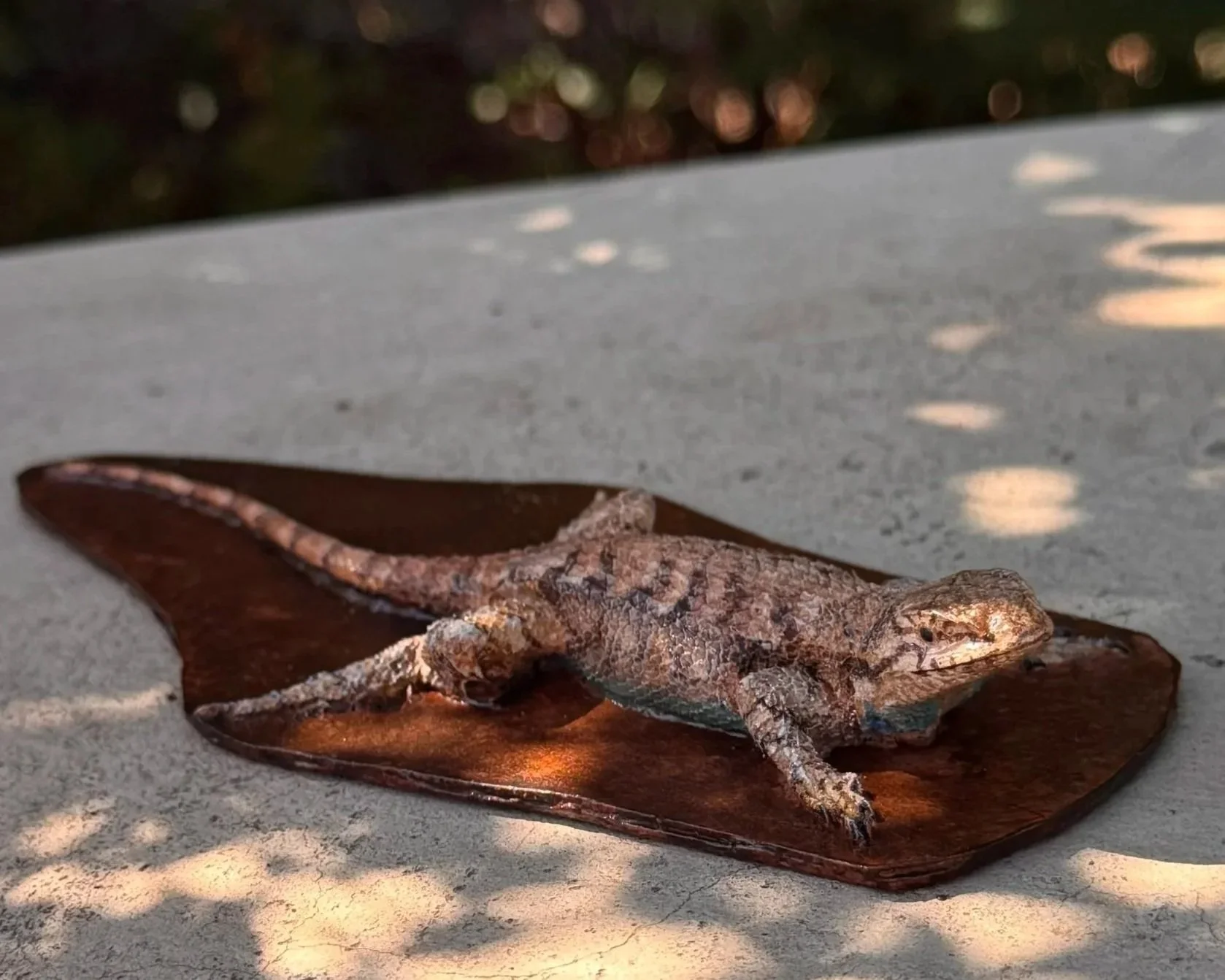
Northern Fence Lizard Replica
About the Northern Fence Lizard:
A quick, rough-scaled lizard often seen basking on logs, fence posts and rocky ledges across Northwest Arkansas. It’s hard to study in the wild because it darts away, but a replica holds still. Students can look closely at the keeled, spiny scales and the patterned gray-brown back. On males they can see the blue patches on the belly and throat, a clear sign of how males and females differ. Set beside a smooth-scaled skink or a green anole replica, it teaches how to tell lizards apart by texture, color and pattern.
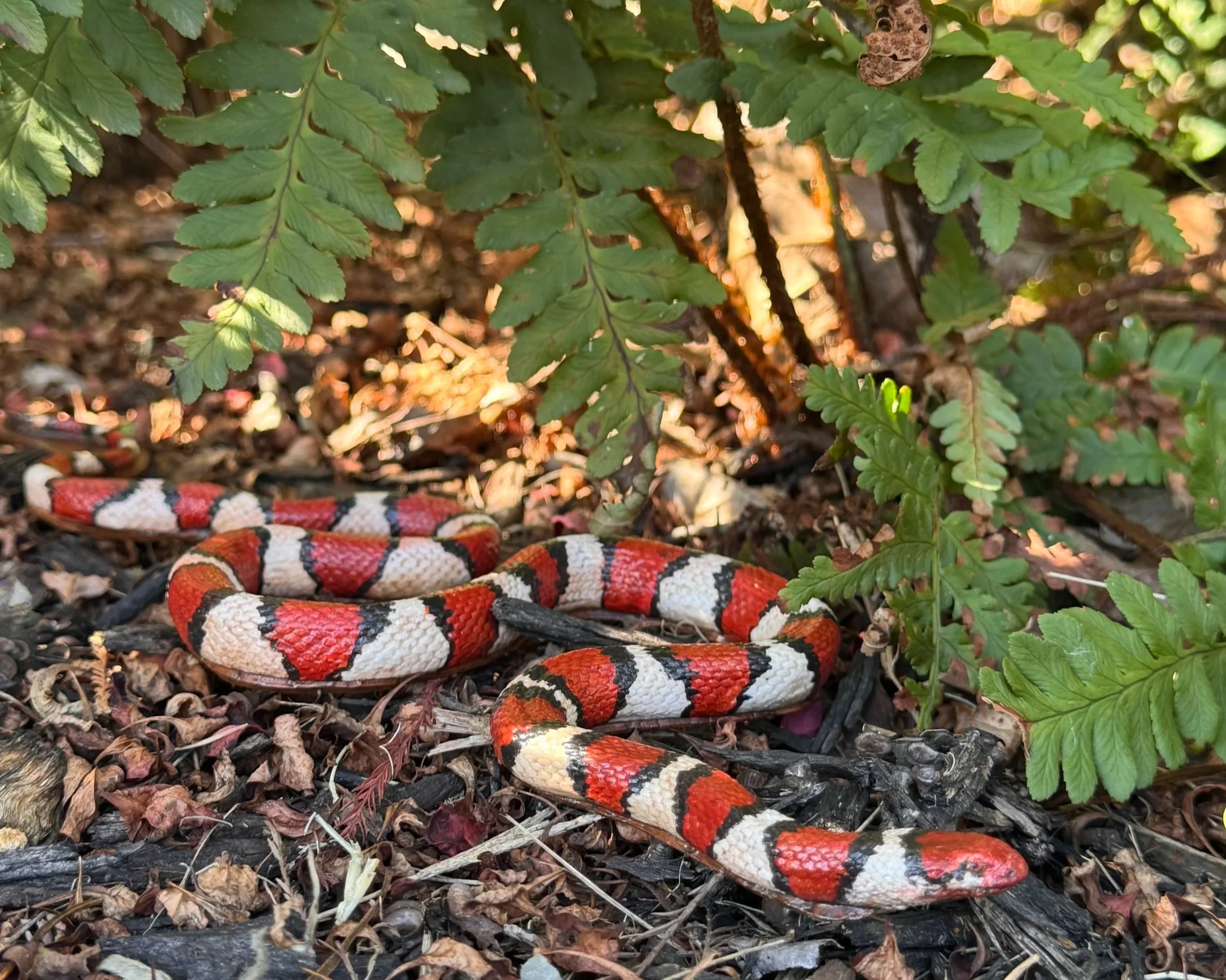
Milk Snake Replica
About the Milk Snake:
A secretive, nonvenomous snake with bright red, black and light bands that cause it to be mistaken for dangerous species, especially the venomous coral snake. A replica makes the banding pattern easy to examine and compare with a coral snake photo or replica. It teaches mimicry, and the habit of looking closely at color order, head shape and other features instead of guessing from a glance. It also shows how a harmless animal that eats rodents benefits people.
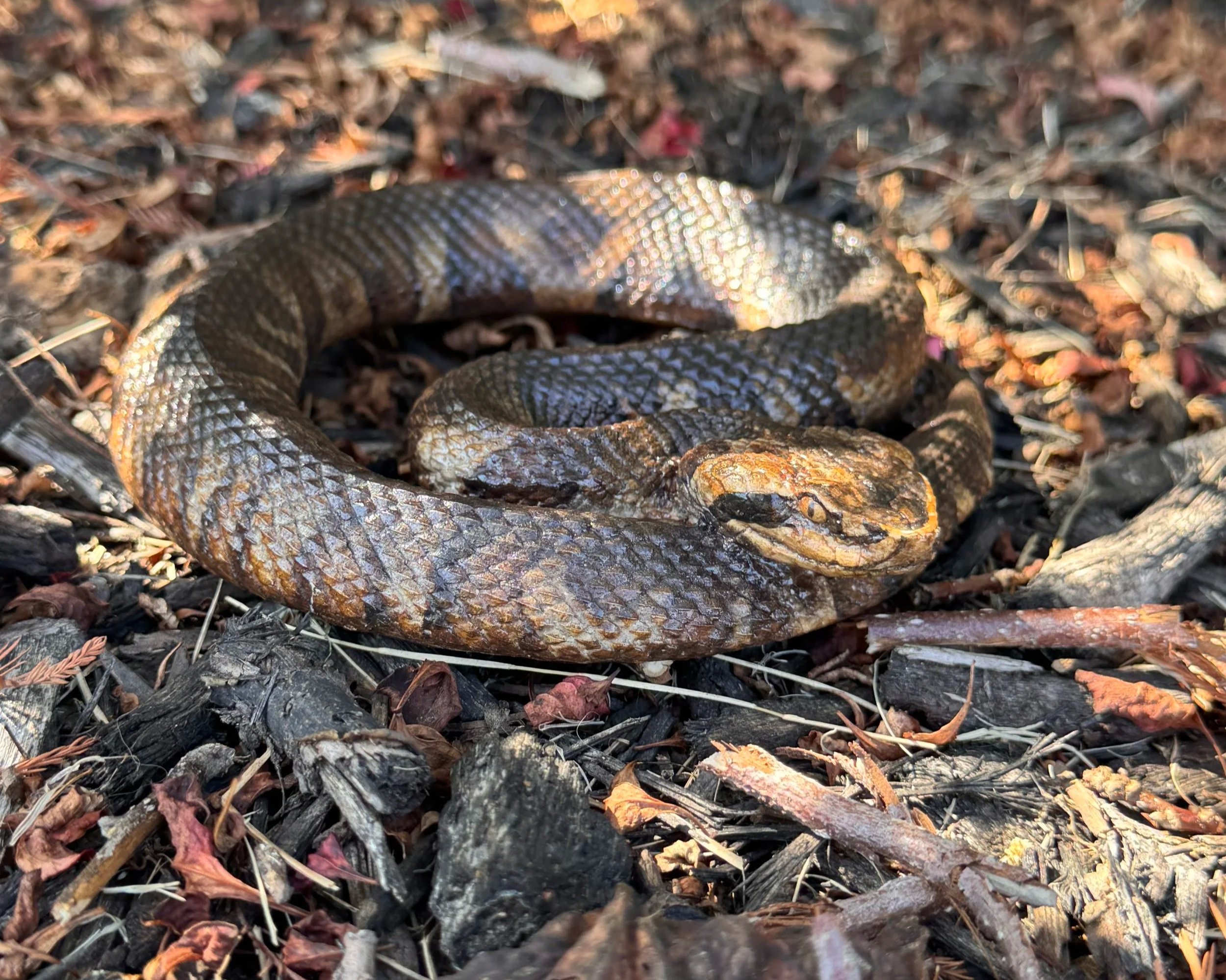
Cotton Mouth Snake Replica
About the Cotton Mouth Snake:
Also known as a water moccasin, this venomous, water-loving pit viper is found near streams, swamps and wetlands in parts of Arkansas. It’s one of the animals people most often confuse with harmless water snakes. A replica lets students study the thick body, broad head and facial pit at a safe distance, then compare them with nonvenomous lookalikes. It teaches venomous versus nonvenomous identification, habitat clues, and why the right response to any wild snake is to give it space.
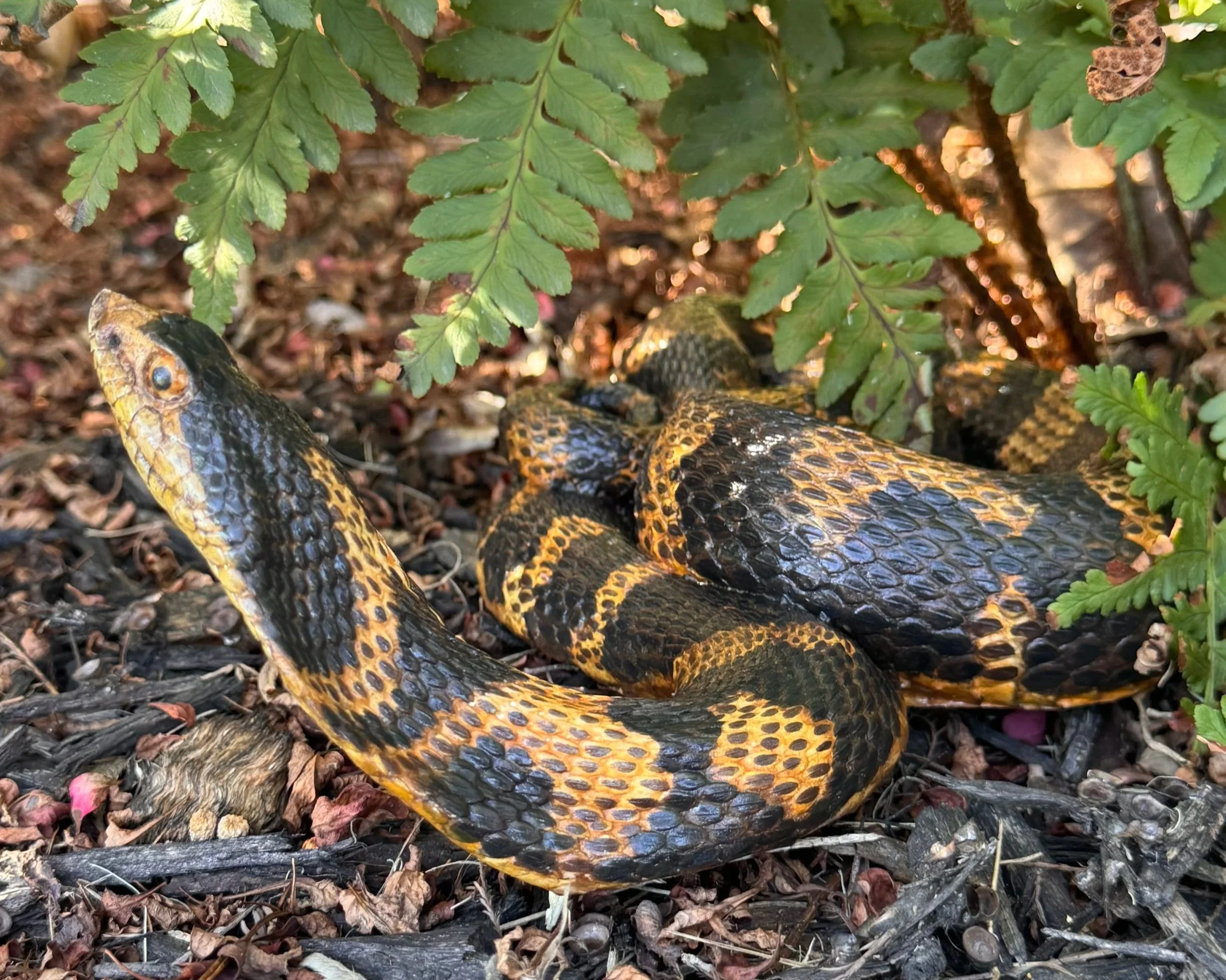
Eastern Hognose Snake Replica
About the Eastern Hognose Snake:
A thick-bodied, harmless snake with an upturned snout for digging up toads. It’s famous for its bluff: it flattens its neck like a cobra, hisses, and sometimes rolls over and plays dead. The Arkansas Game and Fish Commission calls it a “counterfeit cobra.” A replica shows what a hognose actually looks like, with the upturned snout and variable colors and pattern, so students learn which features are real and which are an act. It teaches how a harmless animal uses a convincing display, and why nonvenomous snakes shouldn’t be killed.
Classrooms and schools.
Science and environmental lessons that let every student see and study these species.
Where Are They Used?
Nature centers and museums.
Displays and programs that help visitors recognize the wildlife around them.
FFA knowledge testing.
The replicas are used as identification specimens in Future Farmers of America knowledge tests.
Scouts, camps and community programs.
Safe, engaging identification practice for groups of any size.
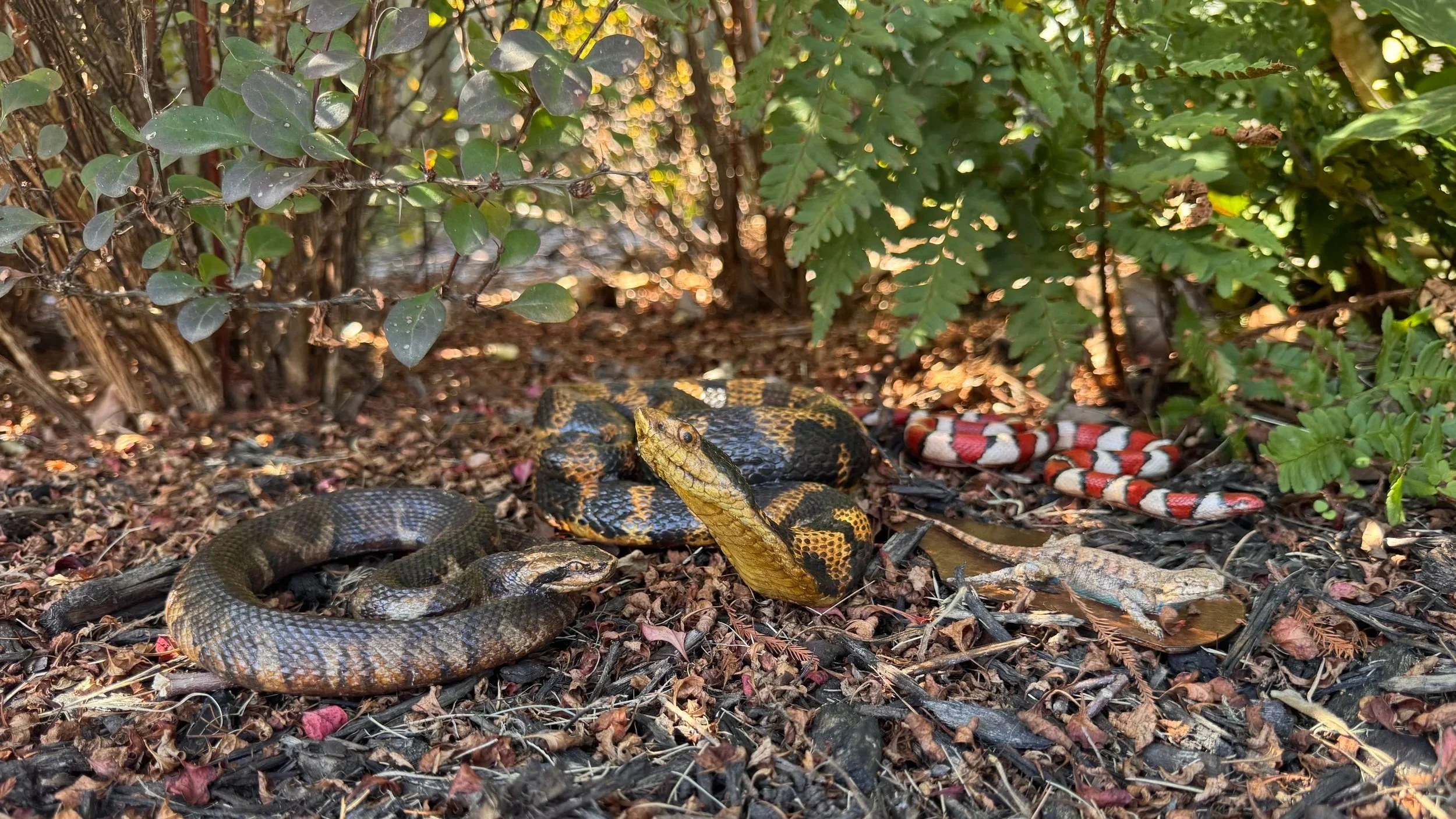
These replicas were created for the Arkansas Game and Fish Commission and can be seen at the J.B and Johnelle Hunt Family Ozark Highlands Nature Center in Springdale, Arkansas.
Frequently Asked Questions
-
Absolutely. You can commission a single species or a whole series. Every replica is hand-painted to order, so we can build exactly the set your classroom, program or exhibit needs.
-
Yes! These replicas are made to be picked up, passed around and studied up close, because hands-on learning is the whole point. Each one is finished with a UV-protective clear coat, and a little mild soap and water keeps it clean.
-
Yes. I’d love to paint custom replicas of other wildlife for your program or exhibit.
-
It depends on how many replicas you need and when you need them. Most orders take anywhere from about a month to a year. Tell me which species you’re looking for and your timeline, and we’ll work out what’s possible together.
-
Pricing depends on the species and the number of replicas. Send me a quote request and I’ll reply with a clear estimate.
Tell me which species you need and how you’ll use them, and I’ll send a quote within 2-4 business days.